Airflow without enough warmth
The blower can operate even when some heating components are not producing heat. Describe whether the problem is constant or appears after the system has run.
FURNACE SERVICE GUIDE · RESIDENTIAL HEATING CARE
Learn about heating elements, sequencers, and electrical controls.
Speak To a Specialist
UNDERSTAND THE ISSUE
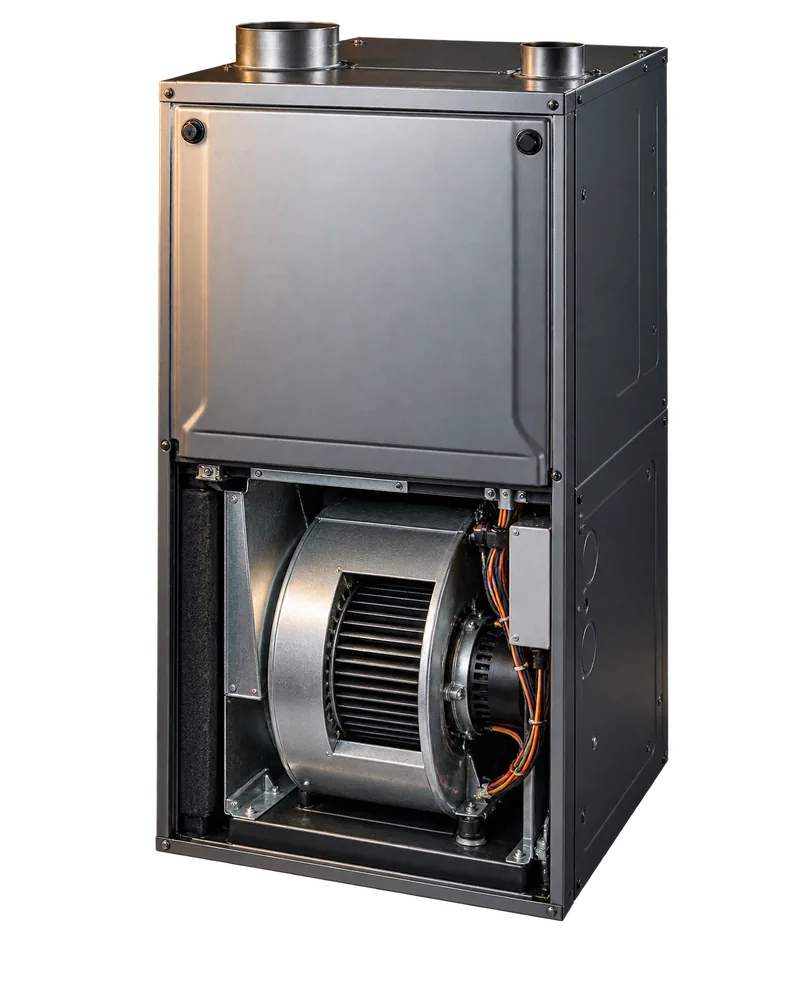
An electric furnace heats air using electrical heating components and moves it through the home with a blower. Controls must bring those components on in the intended sequence. Weak heat, no heat, or interrupted operation can involve more than one component. Testing energized equipment requires professional training and appropriate procedures.
We are an independent referral resource. The service guide is educational; campaign acceptance and local availability must be verified before a real call connection.
SIGNS & COMMON PROBLEMS
The blower can operate even when some heating components are not producing heat. Describe whether the problem is constant or appears after the system has run.
Repeated tripping can indicate a fault. Do not keep resetting a breaker, install a larger breaker, or attempt to bypass electrical protection.
Unusual switching sounds, repeated cycling, or incomplete heating may help a technician decide what to test. Smoke or fire requires emergency action.
Want to understand the next step for electric furnace repair?
CALL NOW: (888) 312-2938Free independent homeowner referral directory.DISCUSS THE OPTIONS
Ask how the heating elements, controls, sequencing, connections, and blower will be evaluated. An assumption about a single failed part can miss another cause of the problem.
Do not remove electrical compartment covers or reach into the cabinet. Turning the thermostat off is not the same as confirming all equipment circuits are safely isolated.
A replacement control or heating component needs to match the equipment requirements. Confirm parts, labor, testing, warranty terms, and any additional work that needs authorization.
MAKE THE CONVERSATION USEFUL
SAFETY COMES FIRST
For a suspected gas leak or carbon monoxide exposure, emergency safety comes before arranging a repair.
Get away immediately. Avoid phones, switches, flames, and anything that could create a spark in the affected area. From a safe location, call 911. Do not try to find or repair a leak.
Read PHMSA gas safety guidanceMove everyone outside immediately and call 911 from a safe location. Stay outside until emergency responders say you can return. Do not try to locate the source.
Read CPSC carbon monoxide guidanceLOCATION OPTIONS
Search our nationwide directory to locate qualified independent furnace repair providers in your community.
ELECTRIC FURNACE REPAIR
No. Controls, airflow, sequencing, and other faults can produce similar symptoms. A diagnosis is needed.
Do not repeatedly reset a breaker that trips again. Have the cause evaluated by qualified personnel.
No. Ductless mini-split leads are excluded from the requested campaign. This guide concerns electric furnaces and does not advertise mini-split service.
General references: U.S. Department of Energy home-heating guidance and CPSC carbon monoxide safety. Equipment-specific procedures belong to your manufacturer and qualified professionals.
FURNACEBRIDGE · A CLEARER NEXT STEP
The intended next step is a call to an independent heating contractor in your local area. Connect with a licensed professional to schedule service.
Independent referral service. How it worksIndependent heating referral directory helping homeowners find local care.