Ignition attempts without steady heat
Clicking, brief burner operation, or a lockout message can help describe the sequence to a technician. Avoid repeated restart attempts.

FURNACE SERVICE GUIDE · RESIDENTIAL HEATING CARE
Understand ignition, airflow, and heating issues in a gas furnace.
Speak To a Specialist
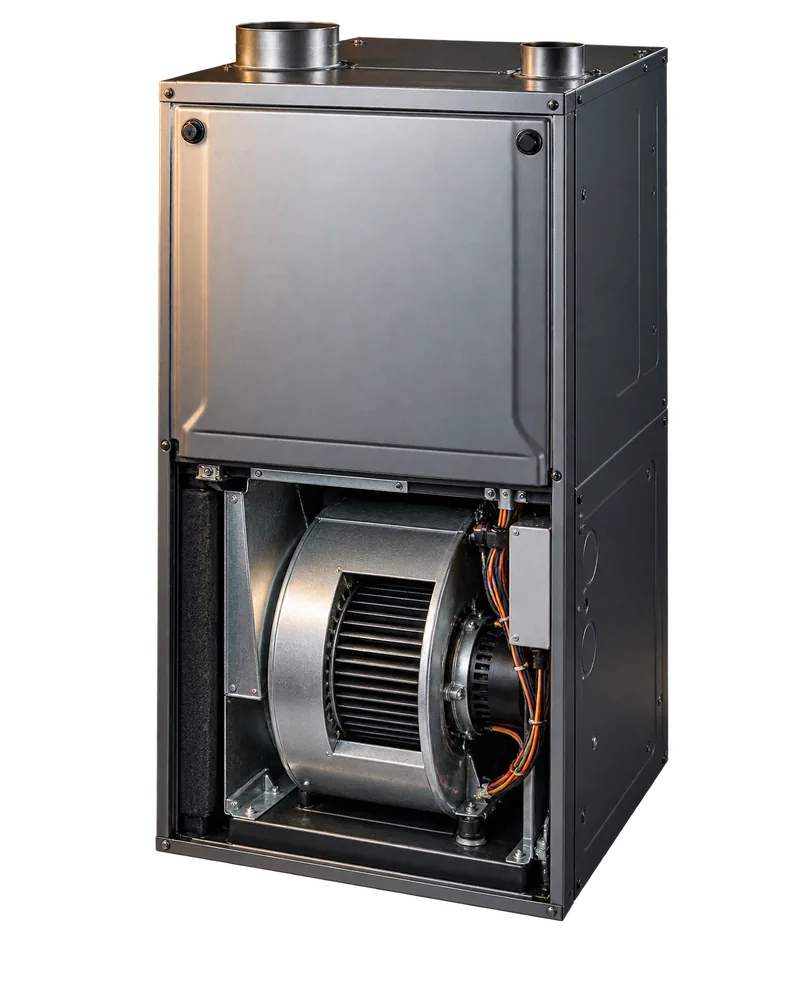
UNDERSTAND THE ISSUE
A gas furnace uses a coordinated sequence of airflow, ignition, flame sensing, and controls to produce heat. Similar symptoms can come from different parts of that sequence. A qualified technician should assess the system instead of replacing a part based only on a symptom. Gas work and combustion adjustments are not homeowner troubleshooting tasks.
We are an independent referral resource. The service guide is educational; campaign acceptance and local availability must be verified before a real call connection.
SIGNS & COMMON PROBLEMS
Clicking, brief burner operation, or a lockout message can help describe the sequence to a technician. Avoid repeated restart attempts.
Air movement alone does not confirm that the burners are heating correctly. Note whether the air is consistently cool or changes during the cycle.
New noises or more frequent shutdowns deserve a diagnosis. A gas smell is an emergency warning, not a repair-sales opportunity.
Want to understand the next step for gas furnace repair?
CALL NOW: (888) 312-2938Free independent homeowner referral directory.DISCUSS THE OPTIONS
A diagnosis may involve controls, ignition, flame sensing, airflow, and venting. Ask the technician to explain the evidence for a proposed repair and whether another system issue contributed.
Ask how the technician will evaluate safe operation after the work. Do not adjust gas pressure, defeat an interlock, clear a vent by dismantling it, or bypass a limit switch yourself.
Ask which parts and labor are included, whether further testing is needed, and what warranty applies. A repaired component does not by itself establish that every part of an older system is in good condition.
MAKE THE CONVERSATION USEFUL
SAFETY COMES FIRST
For a suspected gas leak or carbon monoxide exposure, emergency safety comes before arranging a repair.
Get away immediately. Avoid phones, switches, flames, and anything that could create a spark in the affected area. From a safe location, call 911. Do not try to find or repair a leak.
Read PHMSA gas safety guidanceMove everyone outside immediately and call 911 from a safe location. Stay outside until emergency responders say you can return. Do not try to locate the source.
Read CPSC carbon monoxide guidanceLOCATION OPTIONS
Search our nationwide directory to locate qualified independent furnace repair providers in your community.
GAS FURNACE REPAIR
No. Several controls and safety conditions can stop operation. A technician should establish the cause before a repair is chosen.
Gas piping and combustion work should be handled by qualified personnel. Do not attempt those adjustments from general website instructions.
Current buyer and provider eligibility must be verified for the requested service and location. Confirm local service availability directly with independent heating providers in your area.
General references: U.S. Department of Energy home-heating guidance and CPSC carbon monoxide safety. Equipment-specific procedures belong to your manufacturer and qualified professionals.
FURNACEBRIDGE · A CLEARER NEXT STEP
The intended next step is a call to an independent heating contractor in your local area. Connect with a licensed professional to schedule service.
Independent referral service. How it worksIndependent heating referral directory helping homeowners find local care.