Access regional furnace repair resources for Weld County, Colorado, delivering essential diagnostic guidance to 16 communities across the county. Discover regional cold weather demands, utility infrastructure factors, preventative component servicing, and necessary safety precautions. Find practical information to diagnose equipment malfunctions and coordinate effectively with qualified independent HVAC technicians.
Regional climate normalsConsolidated community directory
County DirectoryDiagnosis · Care · Regional Dispatch
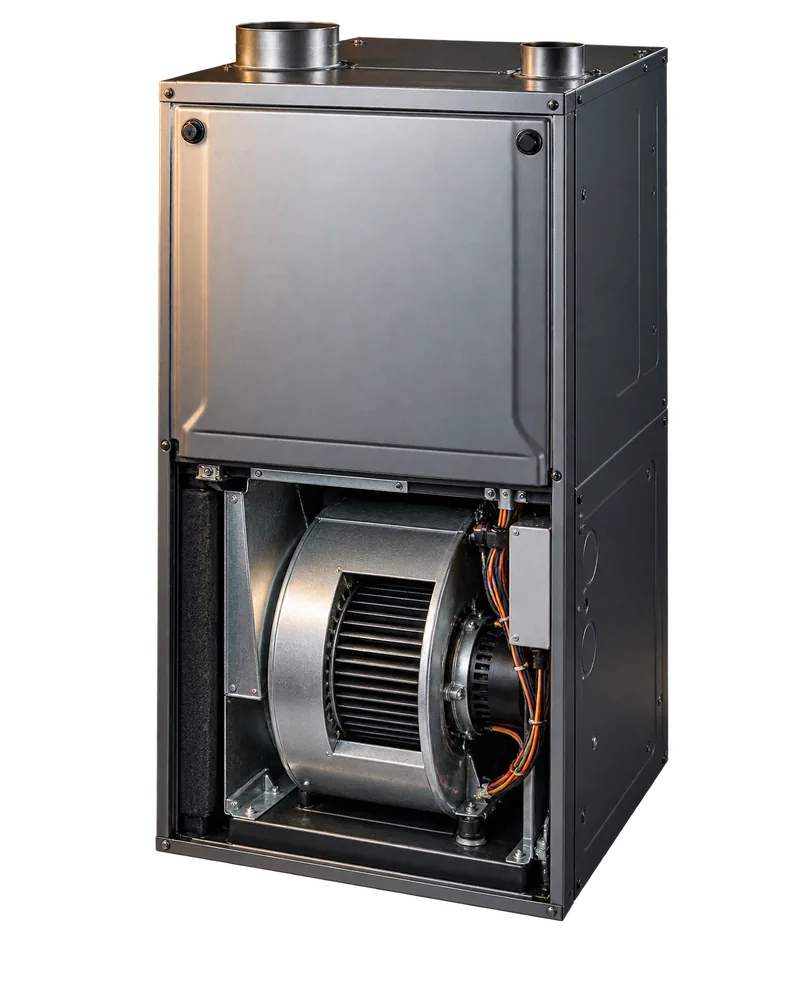
Illustrative equipment · not a direct contractor service
REGIONAL HEATING CONTEXT
Heating Considerations in Weld County, CO
This regional heating directory connects homeowners across 16 incorporated communities in Weld County, CO with practical diagnostic troubleshooting, verified climate factors, and independent contractor service resources.
Based on regional climate normals recorded at the nearby GREELEY UNC, CO US observation station (approximately 18 km away), Weld County records an annual normal of 5,580 heating degree days, with freezing temperatures typically occurring on 124 days each year. Sustained winter low temperatures averaging 19°F in January place heavy seasonal duty cycles on residential furnace burners, blower assemblies, and direct-vent exhaust lines.
Energy distribution across Weld County relies primarily on natural gas & electricity, representing roughly 62% of residential installations, with electric systems and rural LP propane tanks supplying outlying properties. In older homes established across rural trade hubs, gravity flues and legacy chimneys require adequate draft verification, whereas modern construction with 90%+ AFUE condensing units demands freeze-protected PVC exhaust pipe slopes.
When a residential furnace experiences ignition lockout, short cycling, or insufficient heat delivery, systematic pre-service checks help homeowners identify simple filter clogs or thermostat power losses before scheduling professional emergency dispatch. Understanding baseline heating mechanics ensures repair conversations focus on verified equipment faults rather than premature unit replacement.
Immediate Evacuation: If your home's carbon monoxide alarm sounds, or if anyone in the household experiences unexplained headache, nausea, dizziness, or confusion, evacuate all occupants and pets into fresh outdoor air immediately. Do not stay inside to investigate equipment or read digital ppm monitors. Call 911 and your natural gas or propane utility from an outside mobile phone.
Technician-Only Diagnostic Boundaries: Testing electrical run capacitors with stored high voltage, testing gas valve manifold pressures with manometers, and cleaning cracked heat exchangers are hazardous procedures that must strictly be performed by licensed HVAC professionals. Homeowners should limit pre-service checks to verifying thermostat settings, replacing air filters, and ensuring electrical disconnect switches are on.
REGIONAL COVERAGE
Nearby County Furnace Repair Guides
Explore furnace repair information and heating resources in nearby counties and surrounding communities.
How are furnace repair services dispatched across communities in Weld County?+
Because smaller towns in Weld County may not each house a dedicated physical HVAC contractor shop, heating technicians typically dispatch from regional commercial centers or county trade hubs within a 25- to 45-minute drive. Contractors coordinate service calls based on heating urgency, route proximity, and weather conditions.
What homeowner-safe steps should I check before calling for service in Weld County?+
Verify three essential checkpoints: 1) Ensure the thermostat is set to "Heat" with the target temperature 5°F above ambient room temperature; 2) Confirm that electrical disconnect switches at the furnace unit and main breaker panel have not tripped; and 3) Inspect the air filter for severe dust restriction. Never attempt internal gas valve adjustments or electrical capacitor tests yourself.
How does winter weather in Weld County affect high-efficiency condensing furnaces?+
High-efficiency condensing furnaces (90%+ AFUE) generate acidic water vapor during combustion. In Weld County, where winter lows average around 19°F, exterior PVC vent terminations and uninsulated condensate drain lines running through unconditioned crawlspaces or attics are susceptible to freeze-ups, causing pressure switch lockouts.
Do building permits apply to furnace replacement across Weld County municipalities?+
Yes. In Weld County and throughout CO, installing a replacement central furnace or altering fuel supply lines requires a mechanical building permit from the local municipal or county building inspection authority to verify combustion venting and electrical safety code compliance.
What immediate emergency steps are required if I smell gas or suspect carbon monoxide?+
If you detect a rotten-egg sulfur odor or your carbon monoxide detector sounds, evacuate all household members and pets immediately into fresh outdoor air. Do not toggle light switches, operate landline phones, or ignite open flames. Once safely outside, call 911 and your natural gas or propane utility company.