24/7 Nationwide Emergency Dispatch 24/7 Rapid Response
Serving All 50 States & Thousands of CitiesCALL NOW: (888) 312-2938

FURNACE REPAIR IN UNION CITY, PA

Furnace Repair in Union City, PA

Explore practical furnace repair considerations for Union City, Pennsylvania, where cold continental winters and steady heating cycles require dependable equipment operation. Understand frequent heating breakdowns, blower motor performance checks, electrical connections, and critical home safety measures. Find useful information to help you understand heating issues and prepare for discussions with independent HVAC professionals.

Explore Heating Guides

Educational diagnostic resource · No telephone dispatch

Explore furnace guidance
Homeowner-first guidanceIndependent referral resource
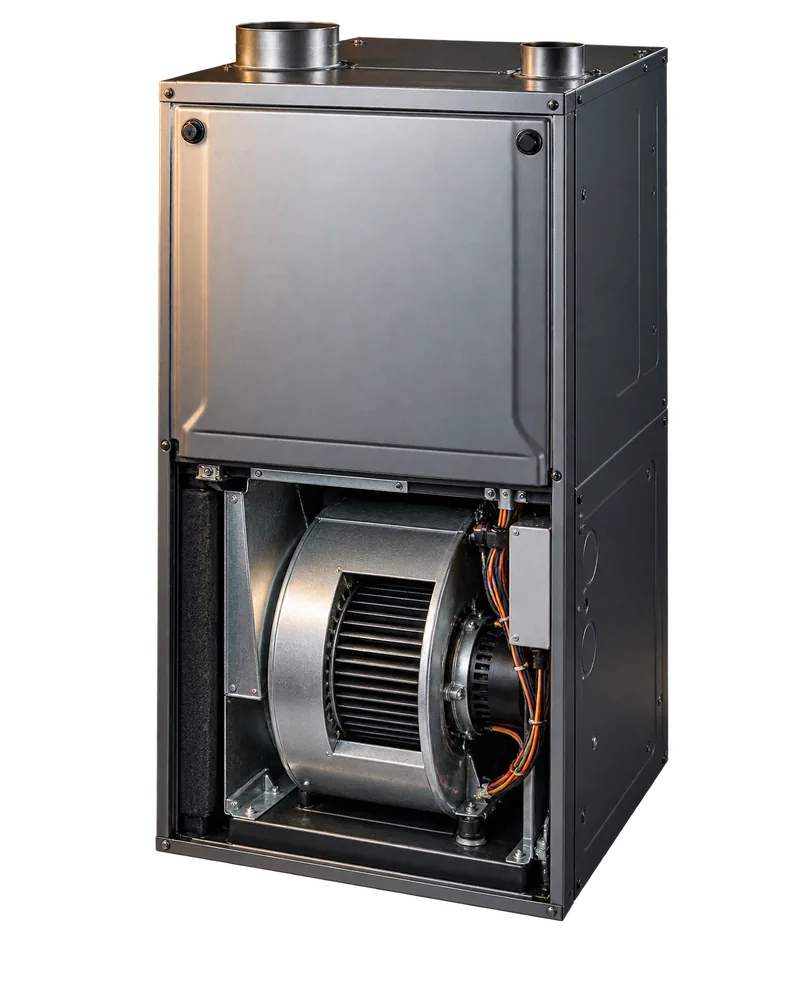
Illustrative unbranded residential furnace equipment
A clearer next stepRepair · Care · Replacement
Illustrative equipment · not a provider endorsement

SOURCED LOCAL HEATING INSIGHT

Professional Furnace Repair Guidance in Union City, PA

Maintaining seasonal furnace readiness and natural gas heating safety for intermittent cold snaps in Union City.

In Union City, where winter temperatures drop to an average January low of 62°F, residential heating systems face consistent seasonal demand totaling roughly 372 heating degree days. Ensuring that burners fire cleanly and static pressure remains within manufacturer tolerances protects against mid-winter equipment shutdowns.

With modern residential developments expanding across Union City, heating installations increasingly feature two-stage gas valves, variable-speed ECM blowers, and smart thermostat interfaces. Matching equipment capacity to actual calculated heat loss prevents oversized equipment from short cycling and unevenly heating living areas.

Before scheduling a service assessment in Union City, homeowners should note observable symptoms—such as control board LED error flashes, draft inducer noises, or delayed ignition sounds. Maintaining awareness of basic equipment operation and fuel shutoff procedures protects household safety while ensuring targeted repairs.

Educational heating diagnostic resource. How our independent referral model works

Local Heating & Furnace Service Context in Union City, PA

Operating a residential heating system in Union City (Erie County) involves distinct environmental challenges shaped by the regional climate zone: Severe Winter / Sub-Zero Heating Demand. During the primary heating window of October through April (Extended 7-Month Heating Season), local heating equipment faces heightened mechanical stress.

Common Furnace Failure Modes in Union City

Homeowners in Union City frequently report performance anomalies associated with regional weather patterns. Specifically, Inducer motor bearing wear and high-limit switch cycling under prolonged continuous runtime; rapid heat exchanger thermal expansion. When temperatures drop sharply overnight, heating units that experienced minimal maintenance during summer months often fail during initial peak cycling.

Essential Contractor Hiring Checklist for Union City Homeowners

Before authorizing furnace repairs or equipment replacement in Erie County, homeowners should verify key technical standards:

  • State & Local Mechanical Licensing: Verify the technician holds active HVAC credentials and carrying comprehensive liability insurance in PA.
  • Digital Combustion Diagnostics: Ensure the contractor uses a calibrated electronic flue gas analyzer rather than visual flame inspection to measure carbon monoxide (CO) parts-per-million and stack temperature.
  • Written Diagnostic Transparency: Request written component breakdown itemizing parts (e.g. pressure switch, hot surface ignitor, flame sensor) and diagnostic labor before approving repairs.
  • Regional Code Adherence: Northern Code Checklist: Verified AFUE combustion efficiency, heat exchanger crack testing, secondary condensing drainage inspection.

Safety Advisory for Union City Residents

Never attempt DIY gas line or burner assembly repairs. If your furnace produces unusual sulfur odors, metallic scraping sounds, or persistent rollout switch tripping, immediately turn off the thermostat and gas shutoff valve and contact an emergency certified heating specialist.

SOURCED CONTEXT · CLEAR LIMITS

Local Heating Conditions & Climate Normals in Union City

Climate & Degree Days

  • 10 days/year with low temperature below 32°F
  • 62°F January average daily low temperature
  • 372 annual Heating Degree Days (HDD65 normal)
  • Nearest station: TITUSVILLE WTR WKS, PA US (~32.2 km away)

Source: NOAA National Centers for Environmental Information 1991–2020 Climate Normals.

Heating Fuel Distribution

  • Utility Natural Gas: about 60% of occupied homes
  • Electricity: about 30% of occupied homes
  • Fuel Oil / Kerosene: about 3% of occupied homes
  • Propane: about 5% of occupied homes
  • Wood & Other: about 2% of occupied homes

Fuel data shows the energy source, not the equipment type.

Source: U.S. Census Bureau ACS 5-Year Estimates (Table B25040).

Housing Age & Architecture

  • Homes built before 1970: about 45% of residential structures
  • Homes built 2000 or newer: about 25% of residential structures
  • Infrastructure note: Pre-1970 ductwork frequently requires static pressure balancing when upgrading to modern high-efficiency blowers.

Source: U.S. Census Bureau ACS 5-Year Estimates (Table B25034).

Topographic Elevation

  • Reference elevation: 760 feet above sea level
  • Combustion impact: Atmospheric pressure decreases with altitude, requiring derated manifold pressure or high-altitude orifice kits above 4,000 feet.

Source: USGS 3D Elevation Program (3DEP).

LOCAL OPERATING CONDITIONS

Heating Equipment Considerations in Union City

Utility Natural Gas Safety

Utility natural gas serves the primary heating load in Union City. Gas-fired furnaces require verified manifold pressure (typically 3.5 inches water column for natural gas) and annual inspection of the flame rectification sensor and flue draft diverter to ensure complete combustion without carbon monoxide risk.

SYSTEMATIC DIAGNOSTIC PROTOCOL

Step-by-Step Furnace Component Checks in Union City

Flame Rectification Rod

Observable Symptom: Burners ignite cleanly but shut down after 3 to 7 seconds, recycling three times before entering lock-out.

Mechanical Root Cause: Microscopic carbon and silica oxide glaze insulating the stainless steel probe from sensing the DC microamp flame rectification signal.

Homeowner-Safe Pre-Check

Homeowner-Safe Pre-Check: Power down the system switch once and visually inspect through the sight glass. Do not attempt internal mechanical scraping.

Technician-Only Diagnostic

Technician-Only Diagnostic: Measure DC microamp rectification current with a dedicated in-series meter. Clean probe with 0000 steel wool or replace if ceramic insulator is fractured.

Draft Inducer & Pressure Switch

Observable Symptom: Inducer motor runs continuously, but ignition sequence halts before hot surface ignitor glow; LED indicates pressure switch error.

Mechanical Root Cause: Differential pressure switch contacts remain open due to restricted flue venting, loose silicone tubing, or condensate pooling in collector box.

Homeowner-Safe Pre-Check

Homeowner-Safe Pre-Check: Inspect outdoor vent pipe for ice buildup, bird nests, or leaves. Never manually jump or bypass pressure switch contacts.

Technician-Only Diagnostic

Technician-Only Diagnostic: Measure draft vacuum with a dual-port digital manometer against OEM pressure switch ratings (stamped on part) and inspect inducer impeller wheel.

Blower Run Capacitor

Observable Symptom: Inducer and burners ignite, but main blower hums and fails to rotate; high limit switch trips within 2 minutes.

Mechanical Root Cause: Dielectric breakdown of the motor run capacitor causing capacitance (μF) to drift outside manufacturer tolerance (typically ±5% to ±6%).

Homeowner-Safe Pre-Check

Homeowner-Safe Pre-Check: Switch system to OFF immediately to prevent motor winding burnout. Do not touch electrical enclosure.

Technician-Only Diagnostic

Technician-Only Diagnostic: High voltage danger. Discharge capacitor using a resistor wand and test microfarads against nameplate rating with a certified capacitance meter.

High-Temperature Limit Switch

Observable Symptom: Furnace short cycles repeatedly; burners shut off prematurely while the circulation blower continues running.

Mechanical Root Cause: Heat exchanger plenum exceeds the factory high limit setpoint due to restricted return airflow, closed supply dampers, or a clogged filter.

Homeowner-Safe Pre-Check

Homeowner-Safe Pre-Check: Replace air filter immediately, ensure all supply grilles and return vents are unblocked.

Technician-Only Diagnostic

Technician-Only Diagnostic: Measure external static pressure and air temperature rise across the heat exchanger. Verify limit switch calibration against OEM specs.

ECONOMIC HEATING BENCHMARKS

Repair vs. Replacement Decision Criteria in Union City

The $5,000 Economic Guideline (Age × Cost Rule of Thumb)

An established HVAC industry guideline suggests multiplying furnace age in years by the total repair estimate. If the resulting figure exceeds $5,000, replacing the unit with a modern high-efficiency system is often more economical over a 3- to 5-year operating window, taking into account reliability and warranty coverage.

Routine Minor Repairs (Under $350)

Economically justified for furnaces under 15 years old (e.g. flame sensor cleaning, standard hot-surface ignitor, motor run capacitor, or door switch).

Moderate Mechanical Repairs ($400–$900)

Reasonable for equipment under 10 years old with documented maintenance history (e.g. draft inducer assembly, standard blower motor, or control board). In Union City's climate (10 freeze days), consider cumulative reliability.

Major Critical Component Failures ($1,200+)

Cracked primary or secondary heat exchanger, variable-speed ECM motor, or obsolete gas valve on systems over 12 years old strongly favor system replacement due to safety hazards and declining component availability.

SPECIALIZED HEATING TOPICS

Furnace and Heating Service Guides

PREVENTION & REGULATORY STANDARDS

Furnace Maintenance & Local Code Compliance in Union City

Seasonal Preventative Maintenance

Every 30–90 days during heating season

Air Filter Inspection & Replacement

Use MERV 8 to 11 pleated filters. Extremely dense filters (MERV 13+) can create excessive static pressure drop in older ductwork layouts unless specifically engineered for the system.

Twice per heating season

Condensate Drain Trap Flushing (90%+ Units)

Flush the condensate P-trap and vinyl discharge tubing with warm water to prevent microbial sludge accumulation from triggering pressure switch shutoffs.

Regularly after heavy snow or freeze events

Outdoor Vent Termination Clearance

Verify that exterior PVC intake and exhaust pipes remain at least 12 inches above local snow accumulation levels to prevent flue gas recirculating or inducer lockouts.

Annually before peak winter

Annual Professional Combustion & Safety Tune-Up

A qualified technician should conduct a calibrated electronic combustion analysis to verify complete fuel combustion, inspect the heat exchanger for stress fractures, and test all automatic safety shutoff switches.
Mechanical Code & Permitting Standards

In Union City and surrounding Erie County jurisdictions, replacing a central furnace, altering gas supply lines, or modifying flue venting generally requires a mechanical permit and final safety inspection from the local building department.

  • Combustion Air Supply: Minimum 50 cubic feet of room volume per 1,000 BTU/hr total appliance input rating, or dedicated outside combustion air ducts per IMC Chapter 7.
  • Flue Gas Vent Clearances: Minimum 1-inch clearance to combustibles for Type B-vent; 6-inch clearance for single-wall galvanized metal vent connectors.
  • Carbon Monoxide Alarms: Required by building and fire codes outside each separate sleeping area and on every occupied level of homes with fuel-burning appliances. Any sounding alarm requires immediate evacuation to fresh air and 911 dispatch.

Governed by: International Mechanical Code (IMC Section 106) & NFPA 54 / ANSI Z223.1.

HOW ASSISTANCE WORKS

Independent Homeowner Diagnostic & Referral Resource

01

Identify the Symptoms

Review thermostat settings, error lights, and filter condition before placing a call.

02

Connect With an Independent Technician

We refer calls to independent heating contractors; technicians confirm pricing, scope, and warranties directly.

03

Make an Informed Repair Decision

Compare diagnostic assessments against age and repair-versus-replacement benchmarks.

LOCAL COMMON QUESTIONS

Frequently Asked Questions in Union City

What should I safely check before calling for furnace repair in Union City?

Before scheduling service, verify three homeowner-safe items: 1) Ensure the thermostat is set to "Heat" with the target temperature set 5°F above room temperature; 2) Check that the furnace electrical emergency switch (the red-plated switch near the unit or stairs) has not been bumped off; and 3) Inspect the air filter for heavy particulate blockage. If the blower runs but blows cold air, power-cycle the unit once via the wall switch and note any blinking diagnostic LED error codes through the sight glass before calling.

How often should furnace flame sensors be cleaned or serviced in Union City?

Flame rectification sensors should be inspected annually as part of preventative maintenance. Over time, microscopic silica and carbon oxidation coat the stainless steel sensor rod, preventing the microamp electrical signal from completing the ground circuit. Cleaning the sensor with a fine abrasive pad restores reliable ignition without requiring a full sensor replacement.

How do I determine whether to repair or replace my aging furnace in Union City?

Under the HVAC industry $5,000 guideline, multiply the age of your equipment by the repair estimate. If the total exceeds $5,000, replacement is generally more economical over a 3- to 5-year operating window. Critical safety failures—such as a cracked primary or secondary heat exchanger, which creates a direct carbon monoxide risk—require immediate replacement regardless of equipment age.

Do I need a building permit to replace a furnace in Union City?

Yes. In Union City and surrounding Erie County municipalities, replacing a central furnace, modifying gas supply lines, or installing new side-wall exhaust venting requires a mechanical permit from your local building department to ensure compliance with International Mechanical Code safety standards.

What immediate emergency steps should I take if I smell gas near my furnace in Union City?

If you detect a sulfur or rotten-egg odor, evacuate all occupants and pets immediately into fresh air. Do not operate light switches, use phones, or light matches in the home. Once safely away from the property, call 911 and your local natural gas utility from an outside mobile phone.

FURNACE REPAIR · EDUCATIONAL REFERENCE

Heating & Diagnostic Resources for Union City

Review troubleshooting checklists, safety protocols, and mechanical guidelines before consulting with a qualified professional.

Browse All Furnace Guides

Independent educational resource · No commercial call routing

Need Heating Assistance?CALL NOW: (888) 312-2938